The Ultimate Guide to Internet Radio Hosting: Launch Your Own Station Today
The world of internet radio provides unique opportunities for aspiring broadcasters. This guide offers insights into the essential elements of starting a thriving station. From picking the ideal software to interacting with an audience, each component is essential. Understanding these elements can make the difference between a fleeting hobby and a thriving platform. As the industry advances, how can one guarantee their station stands out? The insights are contained in this guide.
A Guide to Internet Radio: Overview and Its Core Benefits
Internet radio has revolutionized the landscape of audio broadcasting by creating a platform for varied voices and content. In contrast to traditional radio, which frequently faces geographic limitations and regulatory frameworks, internet radio enables anyone with an internet connection to broadcast their ideas, music, and stories worldwide. This ease of access cultivates a dynamic community of creators and listeners, leading to a myriad of niche genres and formats.
The perks of internet radio reach further than diversity. It delivers adaptability in programming, empowering hosts to shape content suited to targeted audiences. Furthermore, the absence of costly licensing fees associated with traditional broadcasting can make it a more viable option for aspiring broadcasters. Internet radio additionally promotes interactivity, enabling listeners to interact with hosts live. At its core, this medium not only broadens access to broadcasting but also elevates the audio landscape, making it an attractive choice for creators and audiences alike.
Finding the Right Software for Your Internet Radio Station
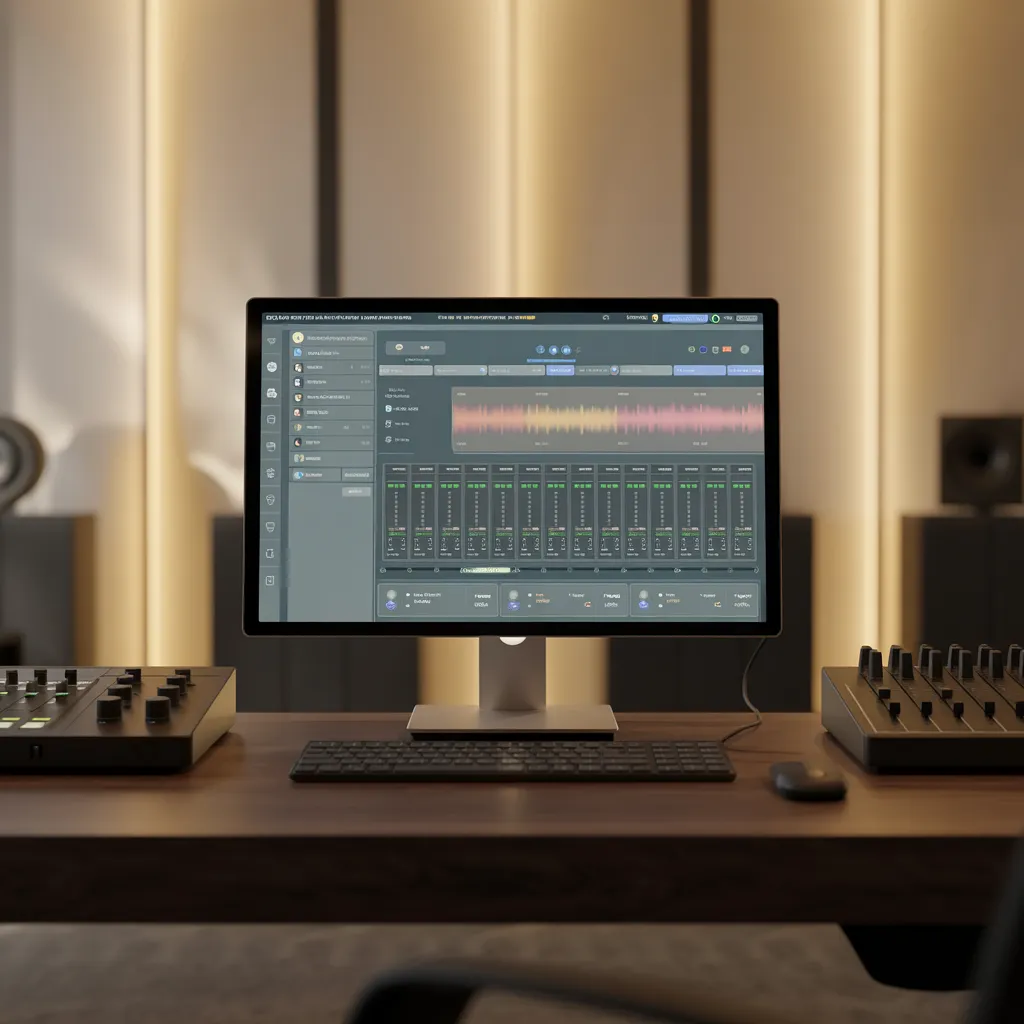
Picking the correct software can substantially affect the effectiveness of an web-based radio station. Numerous options are available, each suited to different needs and budgets. Broadcasters must take into account intuitive interfaces that promote seamless operation and management. Software that enables live streaming, automated playlists, and scheduling can boost listener engagement and preserve a steady broadcast schedule.
Furthermore, compatibility with various audio formats and streaming protocols is essential for reaching a wider audience. Some platforms offer built-in analytics tools, delivering meaningful data on listener demographics and preferences, which can inform programming decisions.
Pricing is also an important factor; some software solutions are free, while others demand a recurring fee. At the end of the day, picking the ideal software solution demands a careful balance of capabilities, user-friendliness, and cost considerations, allowing the station to function at its best while delivering quality content to its audience.
Choosing the Best Equipment for Internet Radio
Selecting the appropriate tools is vital for building a professional-sounding internet radio station. Critical parts include a high-quality microphone, audio interface, and headphones. A quality microphone, such as a condenser mic, picks up sound precisely, while an audio interface converts analog signals to digital. This ensures high audio fidelity for streaming.
Headsets are critical for monitoring sound without feedback. Closed-back headphones are favored to eliminate audio bleed during live broadcasts. Furthermore, a sturdy broadcast mixer can effectively manage multiple audio sources seamlessly.
Purchasing a dependable computer with sufficient processing power and RAM is also critical, as it enables broadcast applications and sound processing operations.
In addition, adding a sound dampening measure for the broadcast space can greatly enhance sound quality. By strategically picking each element, station operators can build a refined and compelling broadcast experience, building the framework for a thriving internet radio station.
Creating Compelling Content: Choosing Between Storytelling, Music, or Talk
What components make content really captivating for listeners? The selection between music, conversation, or helpful tips storytelling significantly affects audience engagement. Music is capable of inspiring emotions and building a communal experience, engaging listeners with thoughtfully arranged playlists or live shows. Conversational programs, by contrast, build relationships through conversations about current events, interviews, and personal stories, resonating with listeners who seek knowledge and belonging.
Storytelling captivates by weaving narratives that reflect human journeys, drawing audiences deep into the developing story. Each medium calls for a tailored strategy; music needs careful selection and flow, talk demands engaging dialogue and diverse perspectives, while storytelling excels with powerful imagery and compelling characters.
Ultimately, the conclusion depends on the intended audience's preferences and the radio station's brand. Striking the ideal harmony across these components can establish a rich auditory environment that draws audiences back time after time, elevating the radio station's overall appeal.
How to Get the Word Out and Grow Your Audience
Successful audience development methods are vital for any internet radio station aiming to expand its reach. One fundamental approach is leveraging social media platforms to create buzz and attract listeners. By sharing engaging content, such as snippets of shows or behind-the-scenes glimpses, stations can cultivate interest and encourage shares among potential audiences.
Moreover, working with influencers or fellow content creators can bring the station to the attention of new demographics. Collaborative promotions, where both parties benefit, can greatly enhance visibility.
Email marketing serves as another powerful resource; consistent newsletters can keep listeners updated on upcoming shows or special events. Engaging in online forums and communities related to the station's niche can also help cultivate a loyal listener base.
Lastly ensuring the station is listed on popular directories and apps boosts findability, allowing new audiences to find it easily. These strategies collectively contribute to effective audience growth for any internet radio station.
Connecting with Listeners: Key Interaction Strategies
What methods can internet radio stations use to build a genuine bond with their audience? Connecting with listeners calls for a well-rounded approach that promotes interaction. Broadcasters can take advantage of social media networks to stimulate instant responses, enabling listeners to voice their preferences and requests. Including live phone calls or audience messages throughout programming establishes an engaging environment, helping listeners feel appreciated.
In addition, organizing contests or giveaways can encourage engagement, while consistent polls or surveys assist in customizing content to listener preferences. Personalized shout-outs can also enhance the listener experience, making individuals feel acknowledged and appreciated.
Additionally, developing topic-focused segments or broadcasts inspired by audience preferences can considerably increase engagement. By continually engaging with listener feedback and demonstrating flexibility, radio stations can cultivate listener trust and loyalty. Ultimately, the key rests in focusing on listener engagement, shifting inactive listeners into an active community that feels connected to the station's vision.

Questions We Often Receive
What Are the Regulatory Requirements for Starting an Online Radio Station?
To launch a web-based radio station, one needs to gather necessary licenses, such as performance rights licenses and broadcast permissions. Observing copyright legislation and guidelines is crucial to avoid legal issues and secure uninterrupted operation.
What Strategies Can I Use to Monetize My Internet Radio Station?
To effectively monetize an internet radio station, one can explore subscription models, sponsorships, merchandise sales, advertising, listener donations, and affiliate marketing. Broadening financial channels improves economic resilience and supports audience growth.
What Are the Key Practices for Keeping Audio Quality Intact?
To copyright sound quality, one must use top-tier equipment, regularly monitor volume levels, implement suitable encoding parameters, limit unwanted noise, and conduct regular testing. Maintaining consistency in these methods substantially elevates the complete listening experience.
Can Copyrighted Music Be Used on My Station?
Broadcasting copyrighted music on a station demands approval from the copyright owner or a licensing agreement. Not complying with this may lead to legal consequences, ranging from financial fines to the shutdown of the station.
How Frequently Should I Revise My Content Schedule?
It is beneficial to revise content schedules each week to maintain listener engagement and relevance. Frequent updates enable original and timely content, adjusting to the preferences of your audience, and ensuring the station remains vibrant and interesting over time.